
Enterprises
Call for Collaboration Proposals: Kenya
Status: OPEN
Four Kenyan water utilities are looking for WASH enterprises to take on an ongoing operational role in addressing their priority climate challenges. The WRSH supports and provides catalytic funding for the pilots.
The call in brief
The Water Resilience Solutions Hub connects water utilities with WASH enterprises to co-design, pilot and scale climate resilience solutions. Selected enterprises gain facilitated access to utility decision-makers, a co-designed and funded pilot, systematic monitoring, and support to turn the pilot into a long-term collaboration.
The call is open to WASH enterprises based in Kenya, and to international enterprises with a Kenyan deployment partner. Joint proposals by several enterprises are welcome. We are looking for enterprises that take on genuine, ongoing operational responsibility, not one-off supply or installation. Stand-alone energy or solar solutions are not in scope.
Full details on the Programme page
The utilities
Each utility has prioritised its climate challenges and potential entry points in a Climate Risk Assessment report prepared with its staff. You may propose other solutions that address a prioritised challenge.
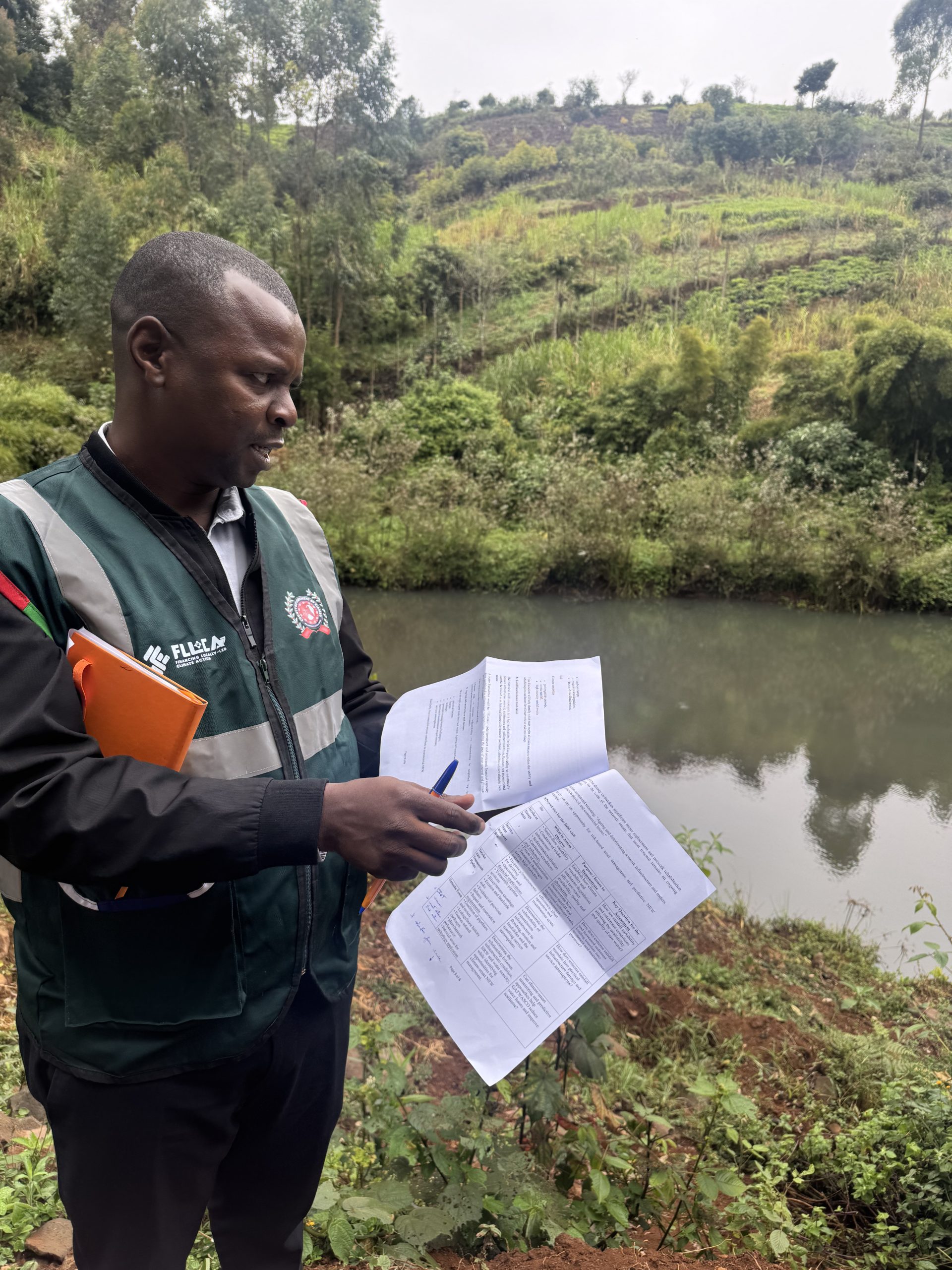
Gatundu Water and Sanitation Company (GATWASCO)
Kiambu County
Priority climate challenges
- Declining river yields and upstream competition for water
- Siltation and treatment plant performance
- Non-revenue water
- Flood and landslide damage to intake and transmission infrastructure
- Insufficient storage capacity
Potential entry points
- Decentralised wastewater treatment and reuse
- Water treatment optimisation
- Integrated water-system monitoring and data services
- NRW and pressure management
- Financing and delivery models for silt management and storage rehabilitation
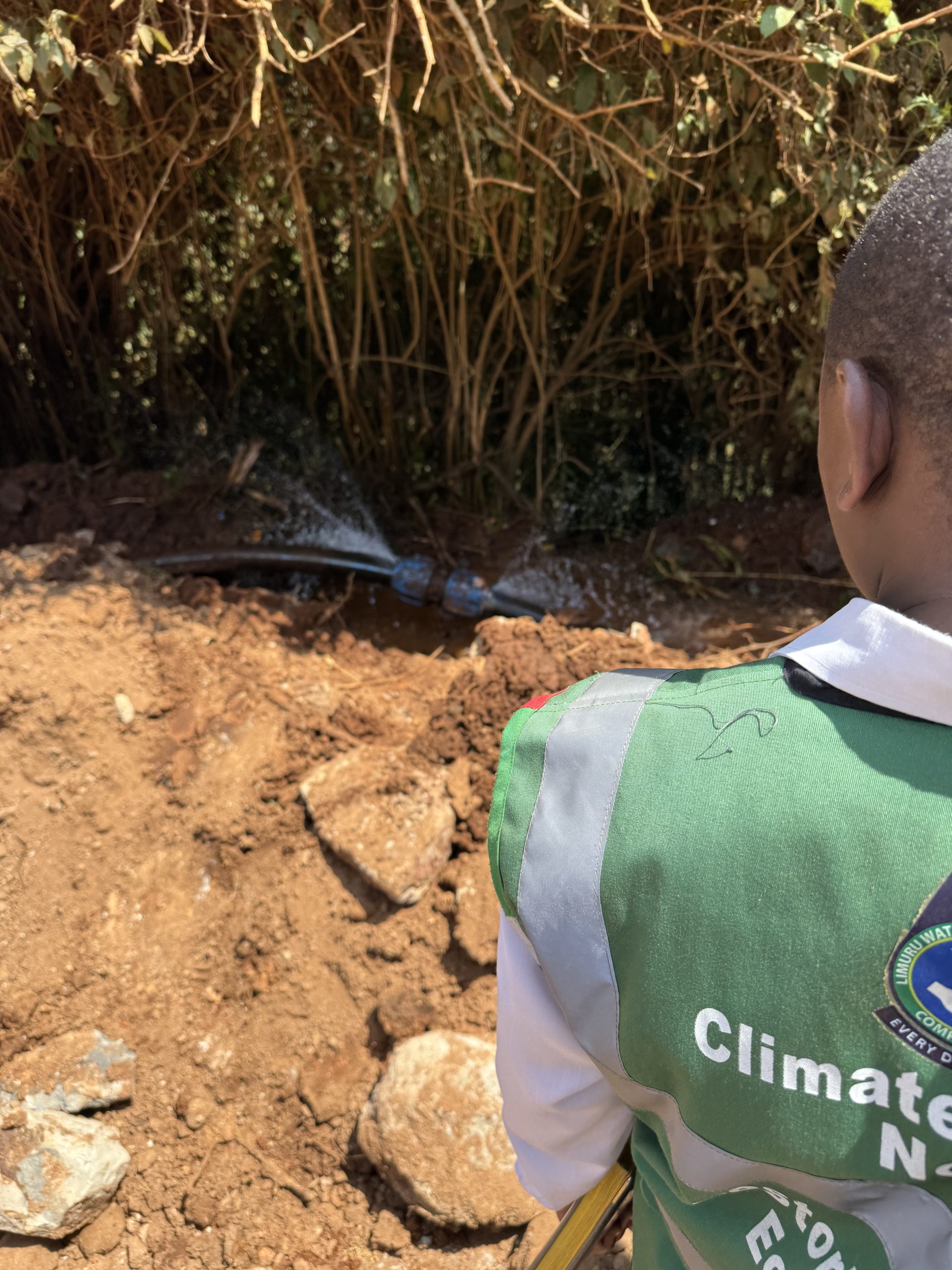
Limuru Water and Sanitation Company (LWSC)
Kiambu County
Priority climate challenges
- Declining yields in boreholes
- High non-revenue water
- High turbidity due to landslides, affecting treatment plant performance
Potential entry points
- Source development, potentially through build-operate-transfer with a bulk purchase agreement
- Aquifer recharge and source conservation
- Integrated water-system monitoring and data services
- Systematic NRW reduction or outsourced NRW services in high-loss DMAs
- Treatment process optimisation
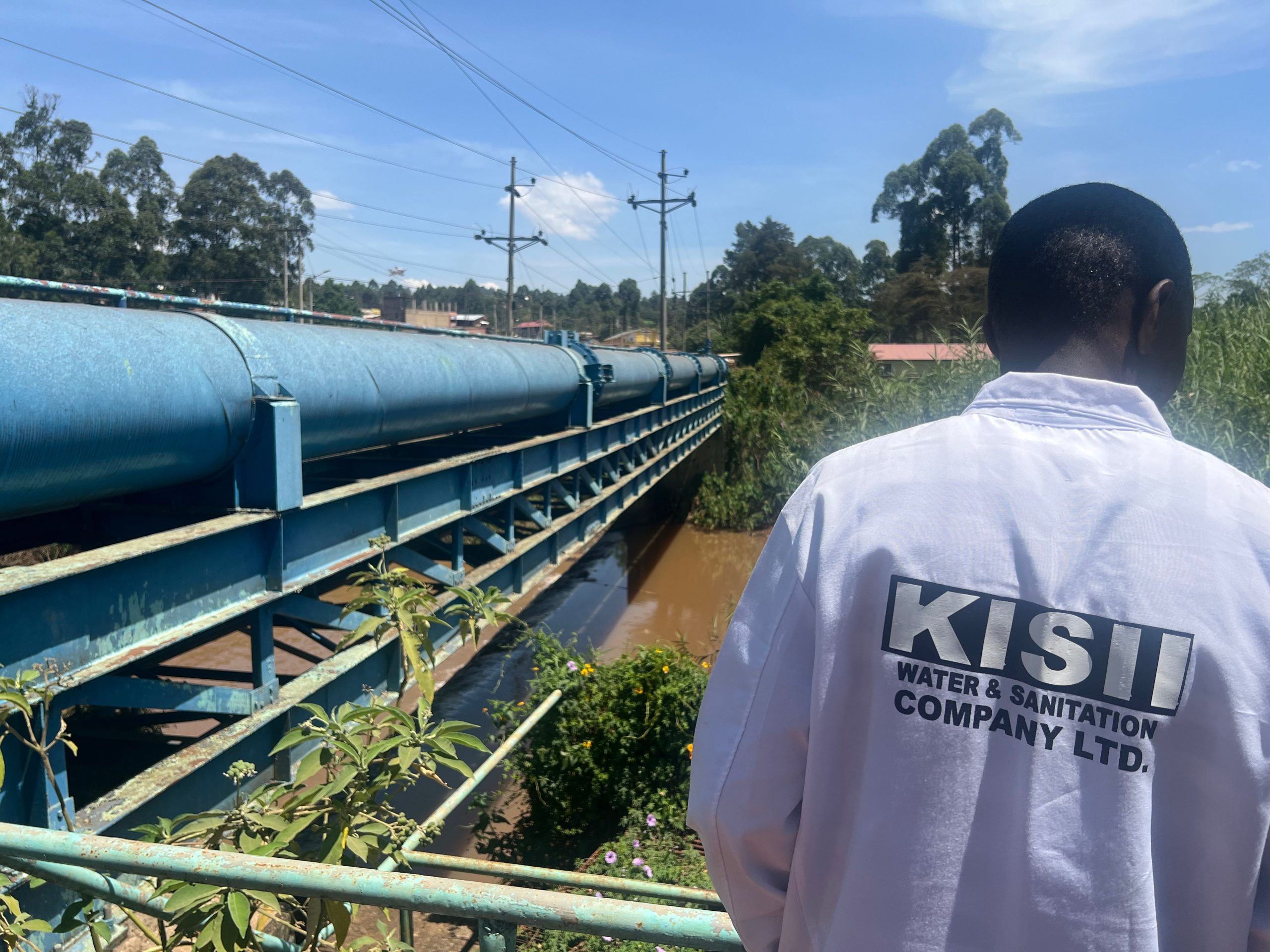
Kisii Water and Sanitation Company (KWASCO)
Kisii County
Priority climate challenges
- High turbidity affecting water treatment
- High NRW, particularly physical losses
- Sanitation and faecal sludge management gaps
Potential entry points
- Treatment plant and WWTP monitoring, automation and optimisation
- Integrated water-system monitoring and data services
- Performance-based NRW reduction and DMA management
- Faecal sludge management services and resource recovery
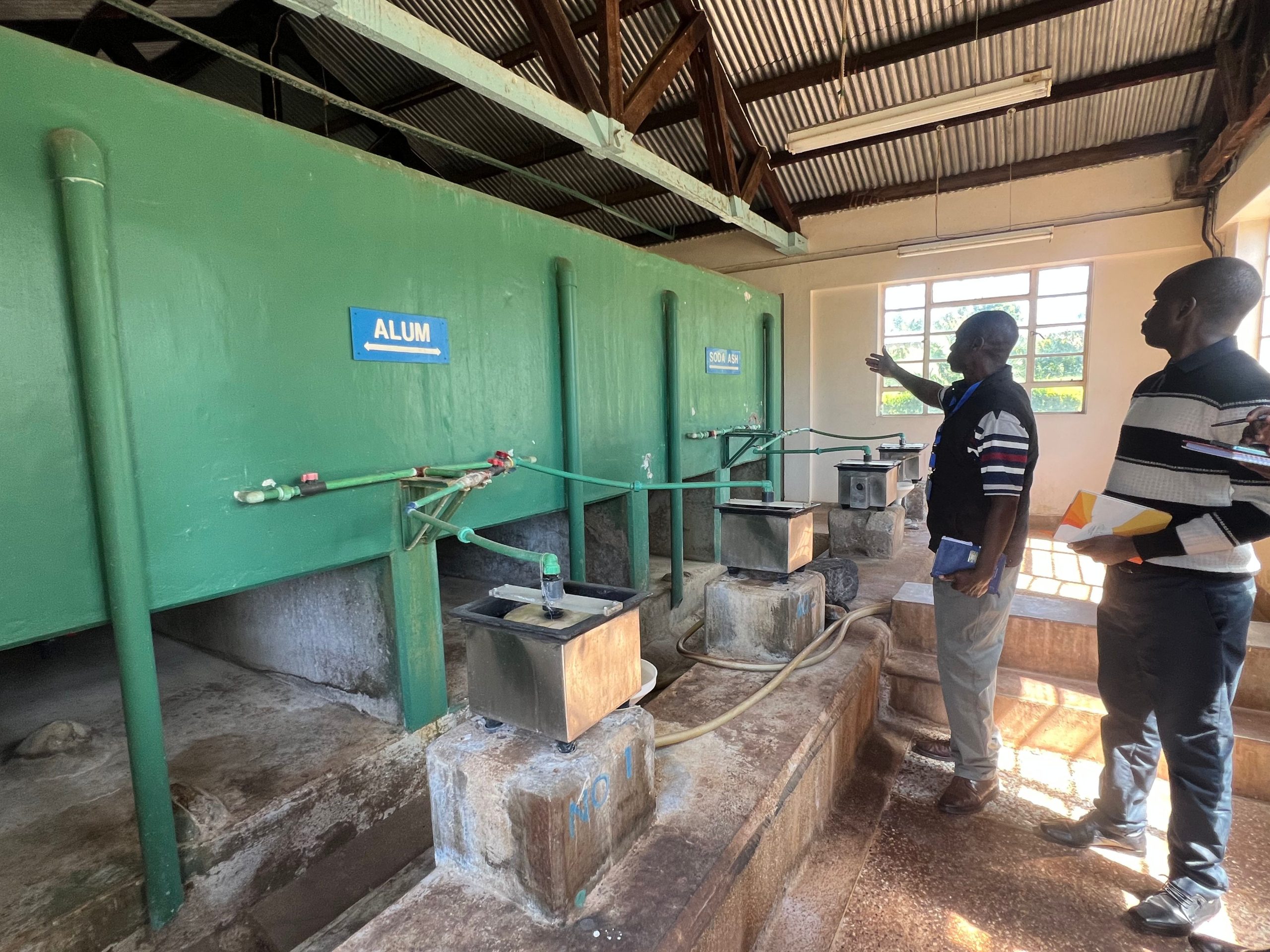
Kericho Water and Sanitation Company (KEWASCO)
Kericho County
Priority climate challenges
- Extreme rainfall, turbidity and siltation affecting treatment
- Dry-season source decline
- High NRW and pressure, and ageing network
- Rainy-season wastewater overload and limited sanitation capacity
Potential entry points
- Treatment optimisation
- Integrated water-system monitoring and data services
- Performance-based NRW reduction and DMA management
- Wastewater and FSM operations and resource recovery for reuse
Energy-related challenges identified in some reports are outside the scope of this call.
Further utility data (for example network, GIS or billing data) is not shared at this stage. Shortlisted enterprises can clarify data needs with the utilities at the co-creation workshop.
Documents
| Document | Description | Format |
| ↓ Information package | Everything you need to prepare a proposal: the WRSH, the matching process, the utilities and the application questions. | |
| ↓ Application questions and guidance | All questions in the online form, with guidance, so you can prepare before submitting. | |
| ↓ Climate Risk Cascade | Five cascades showing how climate effects turn into operational costs, lost production and lost revenue. | |
| Climate Risk Assessment reports (4) ↓ Gatundu↓ Limuru↓ Kisii↓ Kericho |
One report per utility: system and setting, climate outlook, prioritised risks and entry points. | |
| ↓ WRSH brochure | Overview of the Hub, its offer to utilities and enterprises, and the overall timeline. |
Apply
The online form takes about 60 to 90 minutes if your answers are prepared. Submit one application per proposed collaboration. Have your certificate of incorporation or registration and most recent financial statement ready as PDF files (max. 10 MB each).
Questions? See the FAQs on the Programme page or email Cawo Yassin Ali, cewas, at cawo.yassin.ali@cewas.org.